Off-Page SEO in 2025: Still Using 2000s Techniques?
Back in the early 2000s, off-page SEO was all about one thing: backlinks. The more links pointing to your site, the better you are ranked. Marketers were obsessed with blog comments, article directories, forum signatures, and even buying links outright. It worked, for a while.
Fast forward to 2025, and those outdated tactics not only fail but can hurt your rankings. Off-page SEO has matured. It now includes digital PR, trust signals, brand awareness, and real relationships. So if your link-building strategy still looks like a checklist from 2008, it’s time for an upgrade.
In this guide, we’ll break down what off-page SEO techniques still work in 2025, which ones you should abandon, and how to build a strategy that actually helps you rank today.
Then vs. Now: What’s Changed in Off-Page SEO
Old-school off-page SEO focused on shortcuts. Tactics like:
Submitting to hundreds of article directories
Dropping links in blog comment sections
Trading backlinks with random sites
Spinning content for guest posts
These methods worked in a less sophisticated algorithmic environment. But today, Google looks at context, authority, trust, and actual user behavior.
In 2025, it’s not just who links to you, but why, how, and what context surrounds the link. Search engines now use machine learning to understand brand authority, not just raw link volume.
Google's SpamBrain and other AI-based models are trained to detect unnatural link patterns, low-quality content, and manipulative tactics. They're capable of filtering out tactics that once provided quick wins.
This change reflects a broader shift toward rewarding credibility, quality, and real-world relevance. Off-page SEO today mirrors how people build trust offline: by being mentioned in credible places, being consistent, and sharing useful knowledge.
What Still Works in 2025
Some of the core ideas from the past still hold up, they just look different now. Here are off-page SEO techniques that still matter:
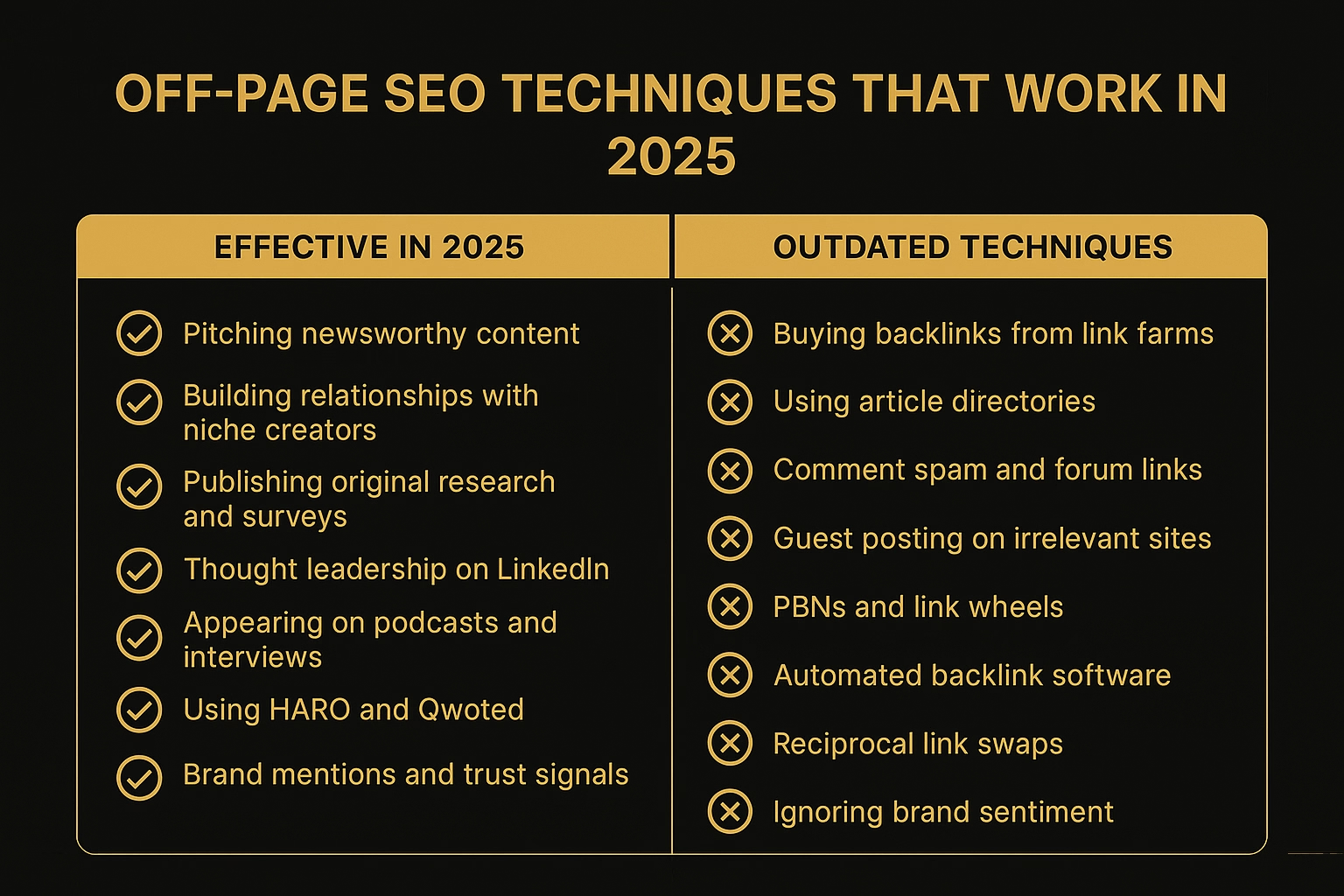
Earned backlinks from relevant, trusted websites (news sites, niche blogs, .edu domains)
Brand mentions, even without a link, contribute to your digital footprint
Content distribution on high-authority platforms like Medium or Substack (when done right)
Podcasts, webinars, and interviews that position you as a voice of expertise
Example: A B2B cybersecurity firm published a zero-day vulnerability case study. It was referenced by major tech blogs and academic papers, driving both mentions and links over time.
Google now considers topical relevance and semantic signals more than ever. A single high-authority link from a contextually aligned source can be more powerful than dozens of unrelated mentions.
This is why earning links naturally, through valuable content and relationships, is the most future-proof strategy.
New-Age Off-Page SEO Techniques
Today’s smartest off-page strategies go far beyond backlinks:
Digital PR: Pitching newsworthy stories to journalists and publishers
Data storytelling: Publishing your own research and surveys that get cited
Creator partnerships: Collaborating with niche YouTubers or newsletter writers (not just influencers)
LinkedIn thought leadership: Regular posting and engagement build trust, reach, and brand signals
HARO and SourceBottle: Contributing expert quotes to articles in exchange for high-quality mentions
Community building: Starting or contributing to active online communities related to your niche (e.g., Reddit AMAs, Discord groups, Slack forums)
YouTube SEO: Creating educational videos and collaborating with creators in your space
Example: A health startup ran a 1,000-person wellness survey. Their findings were picked up by Men’s Health, WebMD, and local news stations. No paid links, just useful data shared the right way.
Building authority now involves connecting with creators and communities where your audience hangs out.
The Role of E-E-A-T in Off-Page SEO
Google's emphasis on Experience, Expertise, Authoritativeness, and Trust (E-E-A-T) is reshaping off-page SEO.
When your content gets cited, when your authorship is consistent across platforms, and when real people vouch for your work, those signals boost your perceived trust.
Ways to build E-E-A-T off-page:
Link authorship to verified social profiles or author pages
Appear on relevant podcasts and publications
Get published on trusted industry websites (even without dofollow links)
Collect third-party reviews and testimonials on platforms like G2, Trustpilot, or Google Business Profile
Actively respond to mentions and engage in meaningful public conversations
Google doesn’t just look at your site anymore. It checks what others say about you across the web.
Common Mistakes to Avoid in 2025
Many still waste time on outdated off-page methods. Watch out for:
Relying on link farms or bulk guest posting services
Trading links in closed Slack or Facebook groups
Ignoring brand sentiment and online reputation
Using private blog networks (PBNs)
Buying links from low-quality marketplaces
These might offer short wins, but the risks outweigh the rewards. Google has grown sharper, and manual penalties still happen.
Instead, focus on sustainable strategies that build long-term brand equity.
Quick Checklist for Off-Page SEO in 2025
Use this checklist as a guide:
☑ Pitch original stories and data to journalists
☑ Publish content worth referencing (studies, guides, visual assets)
☑ Build relationships with niche creators and blogs
☑ Use LinkedIn and Twitter for thought leadership
☑ Track brand mentions using tools like Ahrefs or Brand24
☑ Contribute expert quotes via HARO or Qwoted
☑ Regularly audit backlinks and disavow spammy ones
☑ Participate in expert roundups and digital panels
☑ Share useful insights on Quora and Reddit
☑ Host free online events or expert Q&A sessions
In a nutshell...
Off-page SEO in 2025 isn’t dead, it’s just more grown-up.
If you’re still stuck using techniques from the 2000s, you’re leaving results on the table. The focus now is trust, relationships, and providing value beyond your website.
Let go of shortcuts. Build a presence that makes others want to talk about you.
This means investing time into digital PR, collaboration, consistent publishing, and real thought leadership. That’s how you stand out, not with tricks, but with trust.
Frequently Asked Questions

Author: Abdullah Habib
Abdullah Habib is a results-driven Digital Marketer specialising in SEO, content strategy, and online growth. He blends creativity with data to help brands thrive in the digital space.